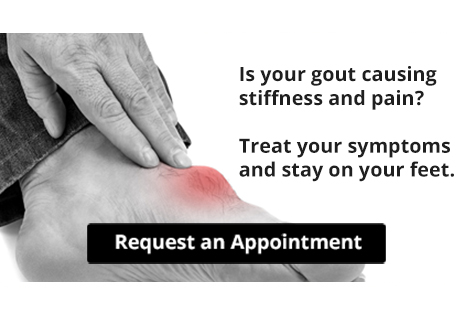
Gout is a painful, inflammatory form of arthritis. Those affected will typically feel an intense stiffness in the joints of their feet, particularly in the big toe. Schedule a visit to learn about how gout can be managed and treated.

The role of footwear for retail workers cannot be overstated, especially when considering the demands of a long workday. Wearing the right shoes is essential for maintaining comfort, productivity, and overall well-being throughout the day. Retail workers typically spend hours on their feet, constantly moving and standing on hard surfaces. Wearing ill-fitting or unsupportive shoes can lead to discomfort, fatigue, and even chronic foot problems like plantar fasciitis or bunions. Opting for shoes with adequate arch support, cushioning, and a comfortable fit can significantly reduce the risk of foot pain and injuries. Additionally, wearing appropriate footwear enhances stability and reduces the likelihood of slips, trips, and falls in busy retail environments. By investing in quality shoes designed for prolonged standing and walking, retail workers can ensure they stay comfortable and focused, enabling them to deliver excellent customer service while minimizing the risk of foot-related issues. If you are experiencing foot pain during your work day, it is suggested that you confer with a podiatrist who can help you choose appropriate shoes that will provide relief.
While working on the feet, it is important to take the proper care of them. For more information about working on your feet, contact one of our podiatrists from Ultimate Foot Care . Our doctors will treat your foot and ankle needs.
Working on Your Feet
Standing on your feet for long periods of time can cause stress and pain in your feet. Your whole body may experience change in terms of posture, back pain, bunions, callouses and or plantar warts. There are ways to avoid these conditions with proper foot care, smart choices and correct posture.
Positive Changes
Negative heeled shoe – Choosing this shoe type places the heel slightly lower than the ball of the foot. These are great for overall foot health. Find shoes that fit you correctly.
Go barefoot – Our feet were not designed to be enclosed for all hours of the day. Try to periodically expose your feet to air.
Eliminate Pain
Foot Exercises – Performing simple exercises, incorporating yoga and doing stretches are beneficial. This will allow increased blood flow to the area and muscles of the foot.
Achilles tendon – Stretching the foot out flat on the floor will relax the calf muscles and tendon. These exercises can be performed almost anywhere. Make sure you add these exercises to your daily regimen.
With a little bit of this information and knowing more about foot health, you will notice changes. Foot stretches and proper footwear will help with pain and prevent further issues.
If you have any questions please feel free to contact our office located in Smithtown, NY . We offer the newest diagnostic and treatment technologies for all your foot and ankle needs.
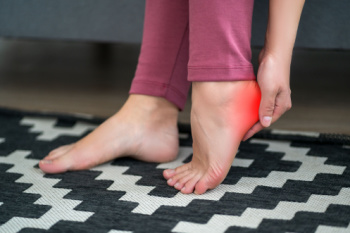
Heel spurs occur in two main forms. One is called heel spur syndrome and the other is termed insertional Achilles tendinitis. Heel spur syndrome involves a bony growth at the bottom of the heel, often resulting from repetitive stress or strain on the foot. Symptoms include sharp pain upon standing or walking, particularly after periods of rest. Conversely, insertional Achilles tendinitis involves inflammation where the Achilles tendon connects to the heel bone. This condition commonly arises from overuse, tight calf muscles, or poor footwear, leading to pain and swelling at the back of the heel. Treatment for both conditions typically starts with conservative measures like rest, stretching, and orthotics. If you have pain that could signify one of these types of heel spurs, it is suggested that you schedule an appointment with a podiatrist who can provide corticosteroid injections or custom shoe inserts to alleviate discomfort. In severe cases, surgical options, such as heel spur removal or Achilles tendon repair, may be considered.
Heel spurs can be incredibly painful and sometimes may make you unable to participate in physical activities. To get medical care for your heel spurs, contact one of our podiatrists from Ultimate Foot Care . Our doctors will do everything possible to treat your condition.
Heels Spurs
Heel spurs are formed by calcium deposits on the back of the foot where the heel is. This can also be caused by small fragments of bone breaking off one section of the foot, attaching onto the back of the foot. Heel spurs can also be bone growth on the back of the foot and may grow in the direction of the arch of the foot.
Older individuals usually suffer from heel spurs and pain sometimes intensifies with age. One of the main condition's spurs are related to is plantar fasciitis.
Pain
The pain associated with spurs is often because of weight placed on the feet. When someone is walking, their entire weight is concentrated on the feet. Bone spurs then have the tendency to affect other bones and tissues around the foot. As the pain continues, the feet will become tender and sensitive over time.
Treatments
There are many ways to treat heel spurs. If one is suffering from heel spurs in conjunction with pain, there are several methods for healing. Medication, surgery, and herbal care are some options.
If you have any questions feel free to contact our office located in Smithtown, NY . We offer the latest in diagnostic and treatment technology to meet your needs.
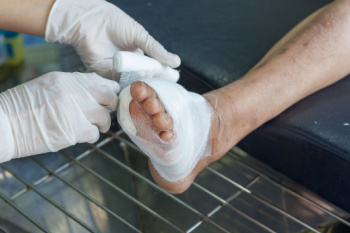
Foot care is a critical aspect of diabetic management, as individuals with diabetes are prone to foot comp-lications. Maintaining skin integrity is essential, especially in diabetic feet where issues like neuropathy and poor circulation can lead to ulcers, infections, and possibly even amputations. Preventive care and regular screening are paramount in mitigating risks. A multidisciplinary team, including podiatrists, plays a pivotal role in diabetic foot care. Podiatrists specialize in assessing foot health, identifying early signs of complications, and providing tailored interventions. They offer expertise in wound care, orthotic management, and footwear recommendations, all aimed at preventing and managing foot problems. By emphasizing preventive measures, such as daily foot inspections, proper hygiene, and appropriate footwear, podiatrists collaborate with patients to minimize the likelihood of diabetic foot complications. If you are a diabetic patient, it is strongly suggested that you schedule regular appointments with a podiatrist as part of your diabetes management.
Wound care is an important part in dealing with diabetes. If you have diabetes and a foot wound or would like more information about wound care for diabetics, consult with one of our podiatrists from Ultimate Foot Care . Our doctors will assess your condition and provide you with quality foot and ankle treatment.
What Is Wound Care?
Wound care is the practice of taking proper care of a wound. This can range from the smallest to the largest of wounds. While everyone can benefit from proper wound care, it is much more important for diabetics. Diabetics often suffer from poor blood circulation which causes wounds to heal much slower than they would in a non-diabetic.
What Is the Importance of Wound Care?
While it may not seem apparent with small ulcers on the foot, for diabetics, any size ulcer can become infected. Diabetics often also suffer from neuropathy, or nerve loss. This means they might not even feel when they have an ulcer on their foot. If the wound becomes severely infected, amputation may be necessary. Therefore, it is of the upmost importance to properly care for any and all foot wounds.
How to Care for Wounds
The best way to care for foot wounds is to prevent them. For diabetics, this means daily inspections of the feet for any signs of abnormalities or ulcers. It is also recommended to see a podiatrist several times a year for a foot inspection. If you do have an ulcer, run the wound under water to clear dirt from the wound; then apply antibiotic ointment to the wound and cover with a bandage. Bandages should be changed daily and keeping pressure off the wound is smart. It is advised to see a podiatrist, who can keep an eye on it.
If you have any questions, please feel free to contact our office located in Smithtown, NY . We offer the newest diagnostic and treatment technologies for all your foot care needs.