Causes of Ankle Pain While Walking

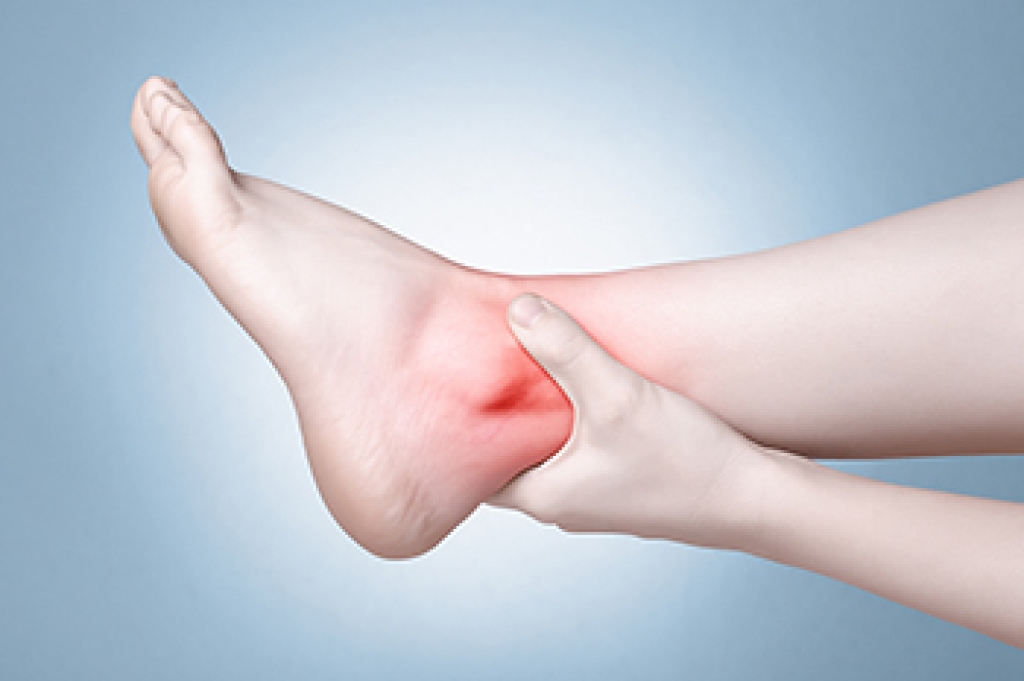
Ankle pain when walking can make simple activities feel difficult. The ankle supports the body and helps the foot move with each step, so pain in this area can affect balance and movement. Ankle pain can develop after an injury, but it can also have other causes. Sprains, tendon problems, and issues involving the bones or joints can all contribute to ankle discomfort. Pain may occur on one or both sides of the ankle, and can range from mild soreness to sharp or severe discomfort. Swelling, stiffness, or difficulty putting weight on the foot can also occur. A podiatrist can examine the ankle and determine what could be causing the pain.

A podiatrist can assess the ankle by checking its movement, strength, and areas of tenderness. The examination helps determine whether the pain is related to an injury, a tendon, or another part of the foot and ankle. Treatment depends on the cause and severity of the symptoms. Care can include protecting the affected area, reducing stress on the ankle, and using treatment designed to improve movement and function. A podiatrist can also assess how foot structure and walking patterns affect the ankle. This can be helpful when pain continues or returns after activity. 

Ankle pain while walking should receive prompt attention when it is severe or makes it difficult to put weight on the foot. Significant swelling, a change in the shape of the ankle, or severe pain after an injury can also require careful evaluation. A podiatrist can determine whether imaging or additional treatment is appropriate based on the findings. Identifying the cause of ankle pain can help guide care and reduce the chance of continued problems with movement. An evaluation is also useful when ankle pain continues without a clear injury. If you have ankle pain while walking, it is suggested that you schedule an appointment with a podiatrist for a diagnosis and appropriate treatment.

Ankle pain can be caused by a number of problems and may be potentially serious. If you have ankle pain, consult with one of our podiatrists  from Ultimate Foot Care . Our doctors will assess your condition and provide you with quality foot and ankle treatment.

Ankle pain is any condition that causes pain in the ankle. Due to the fact that the ankle consists of tendons, muscles, bones, and ligaments, ankle pain can come from a number of different conditions.

Causes

The most common causes of ankle pain include:

  • Types of arthritis (rheumatoid, osteoarthritis, and gout)
  • Ankle sprains
  • Broken ankles
  • Achilles tendonitis
  • Achilles tendon rupture
  • Stress fractures
  • Bursitis
  • Tarsal tunnel syndrome
  • Plantar fasciitis

Symptoms

Symptoms of ankle injury vary based upon the condition. Pain may include general pain and discomfort, swelling, aching, redness, bruising, burning or stabbing sensations, and/or loss of sensation.

Diagnosis

Due to the wide variety of potential causes of ankle pain, podiatrists will utilize a number of different methods to properly diagnose ankle pain. This can include asking for personal and family medical histories and of any recent injuries. Further diagnosis may include sensation tests, a physical examination, and potentially x-rays or other imaging tests.

Treatment

Just as the range of causes varies widely, so do treatments. Some more common treatments are rest, ice packs, keeping pressure off the foot, orthotics and braces, medication for inflammation and pain, and surgery.

If you have any questions please feel free to contact our office located in Smithtown, NY . We offer the newest diagnostic tools and technology to treat your foot and ankle needs.


Read more about Various Causes of Ankle Pain

Let the Expert Treat Your Ingrown Toenails

Ingrown toenails can be painful and can make wearing shoes or walking uncomfortable. Seek professional help if you believe you've developed an ingrown toenail and be treated safely. 

Common Pickleball Injuries That Affect The Feet

Pickleball places unique demands on the lower extremities because players frequently move forward, backward, and from side to side. Quick reactions and repeated court movements can contribute to foot and ankle injuries. A sports-related injury may affect a tendon, ligament, or bone. Symptoms include localized pain, swelling, or bruising. Tenderness, or difficulty placing weight on the affected foot are also common. Some problems develop immediately, while others appear gradually after repeated play.

Risk factors include increasing playing time too quickly, skipping warm-ups, and using footwear that does not provide enough stability. Players returning after a long break may also experience problems when their bodies have not adjusted to repeated court activity. Previous injuries can increase susceptibility, particularly when strength, flexibility, or balance has not fully returned. Poor movement patterns and repeated high-impact activity may place additional strain on the feet and ankles during games.

Common pickleball injuries include ankle sprains, Achilles tendon problems, and plantar fasciitis. An ankle sprain can happen when the foot rolls during a sudden change in direction. Achilles tendon irritation may cause pain near the back of the heel and ankle, especially during pushing off. Plantar fasciitis typically causes discomfort beneath the heel and may become noticeable after activity or during the first steps after rest. Additionally, stress fractures can also occur from repetitive loading.

A podiatrist begins care by examining the injured area and evaluating movement, strength, and stability. X-rays or other imaging may be recommended when a bone injury is suspected. Treatment may involve temporary activity changes, and wearing supportive footwear. Follow-up appointments allow the podiatrist to monitor progress and determine when returning to pickleball is appropriate. If pickleball has left you with ongoing foot or ankle pain, it is suggested that you consult a podiatrist for an effective relief, treatment and guidance on when to return to this popular sport.

Sports related foot and ankle injuries require proper treatment before players can go back to their regular routines. For more information, contact one of our podiatrists of Ultimate Foot Care . Our doctors can provide the care you need to keep you pain-free and on your feet.

Sports Related Foot and Ankle Injuries

Foot and ankle injuries are a common occurrence when it comes to athletes of any sport. While many athletes dismiss the initial aches and pains, the truth is that ignoring potential foot and ankle injuries can lead to serious problems. As athletes continue to place pressure and strain the area further, a mild injury can turn into something as serious as a rupture and may lead to a permanent disability. There are many factors that contribute to sports related foot and ankle injuries, which include failure to warm up properly, not providing support or wearing bad footwear. Common injuries and conditions athletes face, including:

  • Plantar Fasciitis
  • Achilles Tendinitis
  • Achilles Tendon Rupture
  • Ankle Sprains

Sports related injuries are commonly treated using the RICE method. This includes rest, applying ice to the injured area, compression and elevating the ankle. More serious sprains and injuries may require surgery, which could include arthroscopic and reconstructive surgery. Rehabilitation and therapy may also be required in order to get any recovering athlete to become fully functional again. Any unusual aches and pains an athlete sustains must be evaluated by a licensed, reputable medical professional.

If you have any questions please contact our office located in Smithtown, NY . We offer the newest diagnostic and treatment technologies for all your foot and ankle needs.

Read more about Sports Related Foot And Ankle Injuries

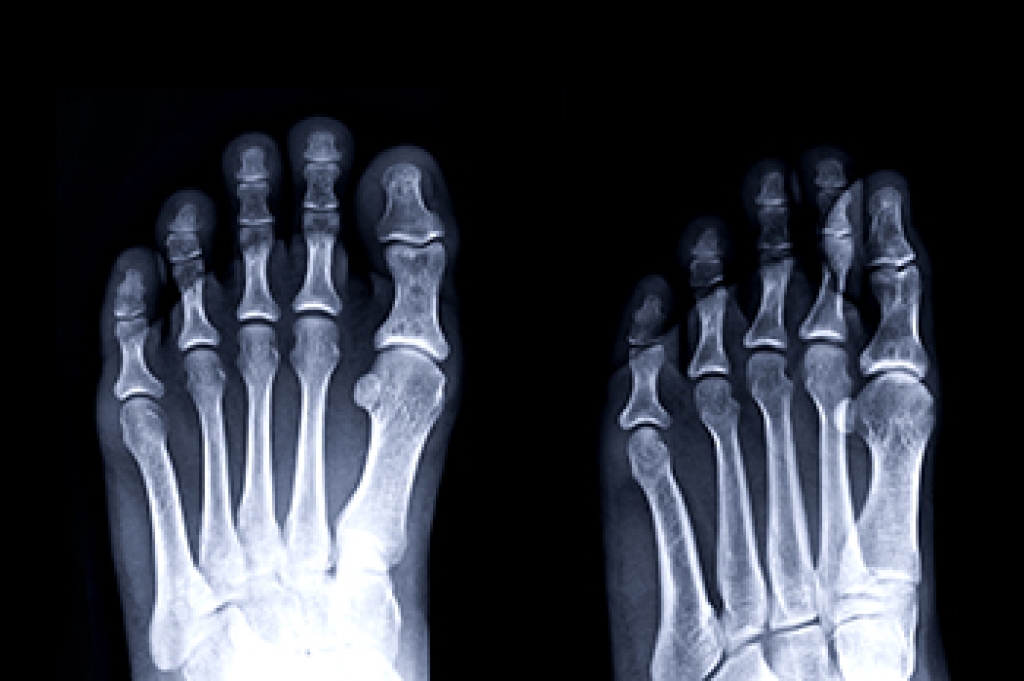
How the Bones of the Feet Influence the Body

The feet are made up of many bones that work together to support movement and balance. As the base of the body, the feet carry body weight and help absorb impact with every step. Proper alignment of the feet plays an important role in how the ankles, knees, hips, and even the lower back function. When the feet are not aligned well, it can place extra strain on muscles and joints up the leg and lead to discomfort or injury over time. Healthy foot structure helps promote better posture and smoother movement. A podiatrist can evaluate alignment, identify concerns, and recommend treatments or supportive footwear. If your feet are uneven or you have foot pain, it is suggested that you consult a podiatrist who can offer you effective relief and management solutions.

If you have any concerns about your feet, contact one of our podiatrists from Ultimate Foot Care . Our doctors can provide the care you need to keep you pain-free and on your feet.

Biomechanics in Podiatry

Podiatric biomechanics is a particular sector of specialty podiatry with licensed practitioners who are trained to diagnose and treat conditions affecting the foot, ankle and lower leg. Biomechanics deals with the forces that act against the body, causing an interference with the biological structures. It focuses on the movement of the ankle, the foot and the forces that interact with them.

A History of Biomechanics

  • Biomechanics dates back to the BC era in Egypt where evidence of professional foot care has been recorded.
  • In 1974, biomechanics gained a higher profile from the studies of Merton Root, who claimed that by changing or controlling the forces between the ankle and the foot, corrections or conditions could be implemented to gain strength and coordination in the area.

Modern technological improvements are based on past theories and therapeutic processes that provide a better understanding of podiatric concepts for biomechanics. Computers can provide accurate information about the forces and patterns of the feet and lower legs.

Understanding biomechanics of the feet can help improve and eliminate pain, stopping further stress to the foot.

If you have any questions please feel free to contact our office located in Smithtown, NY . We offer the newest diagnostic and treatment technologies for all your foot and ankle needs.

Read more about The Importance of Biomechanics in Podiatry

When Athlete's Foot Requires Professional Care

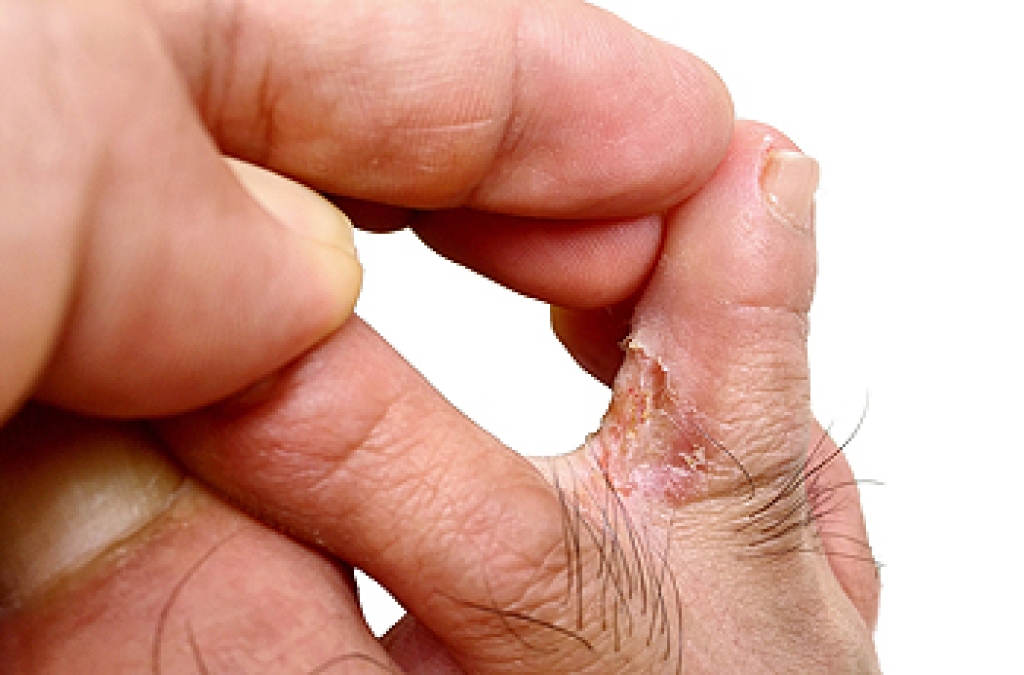
Athlete's foot is a common fungal infection that affects the skin on the feet. Although it often begins between the toes, it can also spread to other areas of the foot if left untreated. The infection thrives in warm, moist environments, making locker rooms, public showers, and swimming pool areas common places for exposure. Symptoms include itching, burning, and cracked skin. Some people also notice redness, peeling, or a rash that causes ongoing discomfort. In more severe cases, the skin may become painful or develop blisters. Because other skin conditions can appear similar, a professional evaluation is important to confirm the cause and recommend the most appropriate treatment.


Several factors can increase the risk of developing athlete's foot. Wearing damp footwear, sharing personal items, or spending time in moist environments may increase the chance of infection. People who sweat heavily or have small breaks in the skin may also be more susceptible. Without proper treatment, the infection can spread to the toenails or other areas of the body. Persistent symptoms may also make walking and other daily activities uncomfortable. Identifying the infection early allows treatment to begin before the condition becomes more difficult to manage.


A podiatrist can diagnose athlete's foot by examining the affected skin and determining whether additional testing is needed. Professional treatment focuses on eliminating the fungal infection, relieving symptoms, and helping prevent complications. If the infection has spread or continues to return, a podiatrist can recommend more advanced treatment options based on the severity of the condition. Early podiatry care may also reduce the risk of long-term skin or nail problems. If itching, peeling, or burning skin on your feet is affecting your comfort, it is suggested that you consult a podiatrist for an evaluation and appropriate treatment options.

Athlete’s Foot

Athlete’s foot is often an uncomfortable condition to experience. Thankfully, podiatrists specialize in treating athlete’s foot and offer the best treatment options. If you have any questions about athlete’s foot, consult with one of our podiatrists from Ultimate Foot Care . Our doctors will assess your condition and provide you with quality treatment.

What Is Athlete’s Foot?

Tinea pedis, more commonly known as athlete’s foot, is a non-serious and common fungal infection of the foot. Athlete’s foot is contagious and can be contracted by touching someone who has it or infected surfaces. The most common places contaminated by it are public showers, locker rooms, and swimming pools. Once contracted, it grows on feet that are left inside moist, dark, and warm shoes and socks.

Prevention

The most effective ways to prevent athlete’s foot include:

  • Thoroughly washing and drying feet
  • Avoid going barefoot in locker rooms and public showers
  • Using shower shoes in public showers
  • Wearing socks that allow the feet to breathe
  • Changing socks and shoes frequently if you sweat a lot

Symptoms

Athlete’s foot initially occurs as a rash between the toes. However, if left undiagnosed, it can spread to the sides and bottom of the feet, toenails, and if touched by hand, the hands themselves. Symptoms include:

  • Redness
  • Burning
  • Itching
  • Scaly and peeling skin

Diagnosis and Treatment

Diagnosis is quick and easy. Skin samples will be taken and either viewed under a microscope or sent to a lab for testing. Sometimes, a podiatrist can diagnose it based on simply looking at it. Once confirmed, treatment options include oral and topical antifungal medications.

If you have any questions, please feel free to contact our office located in Smithtown, NY . We offer the newest diagnostic and treatment technologies for all your foot care needs.

Read more about How to Deal with Athlete's Foot
scroll to top