Is Ankle Fusion Surgery the Right Answer?

Deciding on ankle fusion surgery is a major step for people who live with severe ankle pain that affects daily activities. This procedure is usually considered when other forms of treatment no longer provide enough relief. Ankle fusion surgery joins two or more bones in the ankle so they heal into one solid structure. By preventing painful movement in the joint, the surgery can reduce discomfort and improve stability. People with advanced arthritis, serious ankle injuries, or long-term joint damage are often candidates for this procedure. A podiatrist can evaluate the condition of the ankle, review symptoms, and determine whether surgery is an appropriate option. Careful testing and imaging studies help identify the extent of joint damage and guide treatment decisions.

One of the main benefits of ankle fusion surgery is long-lasting pain relief. Many patients find it easier to stand, walk, and complete daily tasks after recovery. The procedure can also improve ankle stability and reduce the risk of the joint giving way. However, ankle fusion limits movement because the bones no longer bend at the fused area. Some people notice changes in the way they walk. Others place more stress on nearby joints. A podiatrist can explain how these changes might affect specific activities. Understanding both the advantages and possible drawbacks helps patients make informed decisions about surgery. 

The decision to undergo ankle fusion surgery depends on several factors. These include pain severity, joint damage, and personal activity goals. Age and overall health are also important considerations. A podiatrist will discuss expected results, recovery time, and potential risks before recommending surgery. The goal is to improve quality of life while reducing chronic pain. Every patient is different, so treatment plans should be based on individual needs and medical findings. If you have severe or chronic ankle pain, it is suggested that you schedule an appointment with a podiatrist to find out if fusion surgery is right for you.

Ankle pain can have many different causes and the pain may potentially be serious. If you have ankle pain, consult with one of our podiatrists  from Ultimate Foot Care . Our doctors will assess your condition and provide you with quality foot and ankle treatment.

Ankle pain is any condition that causes pain in the ankle. Due to the fact that the ankle consists of tendons, muscles, bones, and ligaments, ankle pain can come from a number of different conditions.

Causes

The most common causes of ankle pain include:

  • Types of arthritis (rheumatoid, osteoarthritis, and gout)
  • Ankle sprains
  • Broken ankles
  • Achilles tendinitis
  • Achilles tendon rupture
  • Stress fractures
  • Tarsal tunnel syndrome
  • Plantar fasciitis

Symptoms

Symptoms of ankle injury vary based upon the condition. Pain may include general pain and discomfort, swelling, aching, redness, bruising, burning or stabbing sensations, and/or loss of sensation.

Diagnosis

Due to the wide variety of potential causes of ankle pain, podiatrists will utilize a number of different methods to properly diagnose ankle pain. This can include asking for personal and family medical histories and of any recent injuries. Further diagnosis may include sensation tests, a physical examination, and potentially x-rays or other imaging tests.

Treatment

Just as the range of causes varies widely, so do treatments. Some more common treatments are rest, ice packs, keeping pressure off the foot, orthotics and braces, medication for inflammation and pain, and surgery.

If you have any questions please feel free to contact our office located in Smithtown, NY . We offer the newest diagnostic tools and technology to treat your foot and ankle needs.

Read more about Ankle Pain

Heel Pain Can Be Treated!

Do you suffer from heel pain when you get up in the morning? If so, you should seek professional help and have a proper diagnosis performed. Heel pain can be caused by several different foot-related conditions.

Keeping Your Balance in Busy Places

Falls outside the home are a common concern, especially in busy public settings like stores, crowded venues, parks, playgrounds, and public bathrooms. These environments may have uneven surfaces, slippery floors, sudden obstacles, and distractions that can increase the risk of losing balance. A fall may appear as a sudden slip, trip, or misstep, often leading to pain, swelling, or injury in the feet and ankles. This can happen when footing is unstable, when attention is divided, or when underlying foot conditions affect stability. People with weak arches, poor alignment, or reduced sensation may be more vulnerable.

After a fall, people may notice lingering discomfort or a fear of walking in similar spaces. This type of fear can limit activity and reduce confidence in daily movement. A podiatrist can evaluate foot structure, assess gait, and identify risk factors that contribute to instability. This foot doctor may perform balance testing and check joint motion to better understand how the feet interact with the ground. Based on findings, they can recommend supportive devices, prescribe custom orthotics, or suggest treatments that improve alignment and stability.

In some cases, targeted therapy or bracing may be advised to strengthen support and prevent repeat injuries. Early evaluation allows problems to be addressed before they worsen or lead to more serious complications. With proper care, patients can regain confidence and move more safely through busy public environments. Follow-up visits can track progress and guide adjustments in treatment. Education about proper footwear and awareness of surroundings may also reduce risk. Attention to walking surfaces, lighting conditions, and pace of movement can further support safety in active environments. If you have fallen and have injured your foot or ankle, it is suggested that you consult a podiatrist for additional falls prevention tips, both in and outside of the home.

Preventing falls among the elderly is very important. If you are older and have fallen or fear that you are prone to falling, consult with one of our podiatrists from Ultimate Foot Care . Our doctors will assess your condition and provide you with quality advice and care.

Every 11 seconds, an elderly American is being treated in an emergency room for a fall related injury. Falls are the leading cause of head and hip injuries for those 65 and older. Due to decreases in strength, balance, senses, and lack of awareness, elderly persons are very susceptible to falling. Thankfully, there are a number of things older persons can do to prevent falls.

How to Prevent Falls

Some effective methods that older persons can do to prevent falls include:

  • Enrolling in strength and balance exercise program to increase balance and strength
  • Periodically having your sight and hearing checked
  • Discuss any medications you have with a doctor to see if it increases the risk of falling
  • Clearing the house of falling hazards and installing devices like grab bars and railings
  • Utilizing a walker or cane
  • Wearing shoes that provide good support and cushioning
  • Talking to family members about falling and increasing awareness

Falling can be a traumatic and embarrassing experience for elderly persons; this can make them less willing to leave the house, and less willing to talk to someone about their fears of falling. Doing such things, however, will increase the likelihood of tripping or losing one’s balance. Knowing the causes of falling and how to prevent them is the best way to mitigate the risk of serious injury.  

If you have any questions, please feel free to contact our office located in Smithtown, NY . We offer the newest diagnostic and treatment technologies for all your foot care needs.

Read more about Falls Prevention

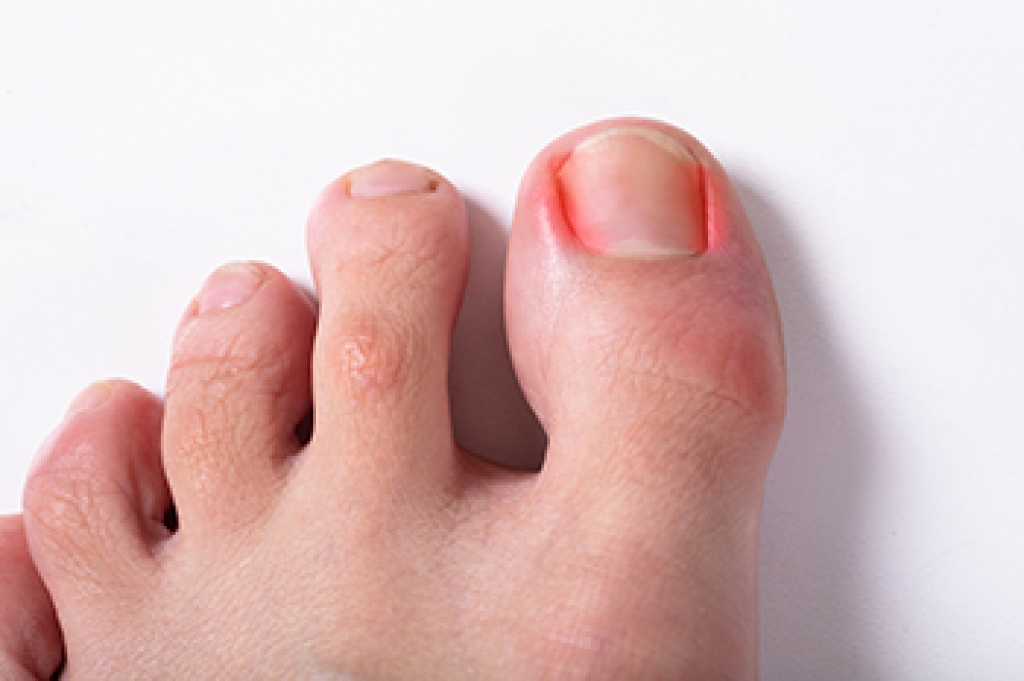
Causes and Stages of an Ingrown Toenail

Ingrown toenails develop when the edge of the nail grows into the surrounding skin. This problem usually affects the big toe and can become painful while walking or wearing shoes. Common causes include trimming the nails too short, rounding the corners, and wearing tight-fitting shoes. Sweaty feet and injuries to the toes can also increase the risk. An ingrown toenail usually begins in Stage 1, which includes redness, swelling, and tenderness along the nail edge. Stage 2 develops when the skin becomes more irritated and starts to drain fluid or pus. The area can also become warm and more painful. Stage 3 is more serious and includes ongoing swelling, thickened skin, and signs of infection around the nail. A podiatrist can treat ingrown toenails with proper nail care, pressure relief, and other treatment methods that help the nail grow correctly again. If you have pain from an ingrown toenail, it is suggested that you make an appointment with a podiatrist for an exam and treatment options.

Ingrown toenails may initially present themselves as a minor discomfort, but they may progress into an infection in the skin without proper treatment. For more information about ingrown toenails, contact one of our podiatrists of Ultimate Foot Care . Our doctors can provide the care you need to keep you pain-free and on your feet.

Ingrown Toenails

Ingrown toenails are caused when the corner or side of a toenail grows into the soft flesh surrounding it. They often result in redness, swelling, pain, and in some cases, infection. This condition typically affects the big toe and may recur if it is not treated properly.

Causes

  • Improper toenail trimming
  • Genetics
  • Improper shoe fitting
  • Injury from pedicures or nail picking
  • Abnormal gait
  • Poor hygiene

You are more likely to develop an ingrown toenail if you are obese, have diabetes, arthritis, or have any fungal infection in your nails. Additionally, people who have foot or toe deformities are at a higher risk of developing an ingrown toenail.

Symptoms

Some symptoms of ingrown toenails are redness, swelling, and pain. In rare cases, there may be a yellowish drainage coming from the nail.

Treatment

Ignoring an ingrown toenail can have serious complications. Infections of the nail border can progress to a deeper soft-tissue infection, which can then turn into a bone infection. You should always speak with your podiatrist if you suspect you have an ingrown toenail, especially if you have diabetes or poor circulation.

If you have any questions, please feel free to contact our office located in Smithtown, NY . We offer the newest diagnostic and treatment technologies for all your foot care needs.

Read more about Ingrown Toenail Care

Helping Children With Foot Support

Children can develop a range of foot conditions that affect how they walk and play. Flat feet occur when the arch does not form fully, causing the foot to roll inward and place stress on joints. In contrast, a rigid high-arch foot places excess pressure on the heel and ball of the foot, often leading to discomfort and poor shock absorption. These conditions may appear as uneven wear on shoes, frequent tripping, or complaints of foot pain after activity. They can develop due to genetics, growth patterns, or muscle imbalance. A podiatrist can evaluate foot structure and movement, then design custom orthotics to support proper alignment and improve function. Early care can help prevent long-term issues with walking and posture. If your child has foot pain, it is suggested that you consult a podiatrist who can determine the cause and discuss the benefits of custom-made orthotics with you.

Making sure that your children maintain good foot health is very important as they grow. If you have any questions, contact one of our podiatrists of Ultimate Foot Care . Our doctors can provide the care you need to keep you pain-free and on your feet.

Keeping Children's Feet Healthy

Having healthy feet during childhood can help prevent medical problems later in life, namely in the back and legs. As children grow, their feet require different types of care. Here are some things to consider...

Although babies do not walk yet, it is still very important to take care of their feet.

Avoid putting tight shoes or socks on his or her feet.

Allow the baby to stretch and kick his or her feet to feel comfortable.

As a toddler, kids are now on the move and begin to develop differently. At this age, toddlers are getting a feel for walking, so don’t be alarmed if your toddler is unsteady or ‘walks funny’. 

As your child gets older, it is important to teach them how to take care of their feet.

Show them proper hygiene to prevent infections such as fungus.

Be watchful for any pain or injury.

Have all injuries checked by a doctor as soon as possible.

Comfortable, protective shoes should always be worn, especially at play.

If you have any questions, please feel free to contact our office located in Smithtown, NY . We offer the newest diagnostic and treatment technologies for all your foot care needs.

Read more about What to Do to Keep Your Child’s Feet Healthy
scroll to top